- Email kavithamuruganspringwood@gmail.com
- Phone 093426 76016
1. Establish Clear Online Rules 📱
Set clear guidelines for when and how children can use the internet. Limiting screen time and defining appropriate online activities helps create healthy digital habits from an early age.
2. Use Parental Control Tools 🔒
Enable parental controls on devices, browsers, and apps to filter inappropriate content and manage what children can access online.
3. Teach Children About Online Privacy 🛡️
Educate children not to share personal information such as their full name, home address, school name, passwords, or photos with strangers on the internet.
4. Monitor Their Online Activities 👀
Regularly review the websites, games, and apps your child uses. Being aware of their online activity helps parents guide them toward safe and educational platforms.
5. Encourage Open Communication 💬
Create a safe environment where children feel comfortable talking about their online experiences. Encourage them to report anything confusing, upsetting, or suspicious.
6. Promote Safe and Educational Content 📚
Guide children toward trusted educational websites, learning apps, and age-appropriate digital resources that support their development.
7. Be a Positive Digital Role Model 🌟
Children learn by observing adults. Demonstrating responsible and balanced technology use helps them develop safe online habits.

1. Activity based Learning 🌱
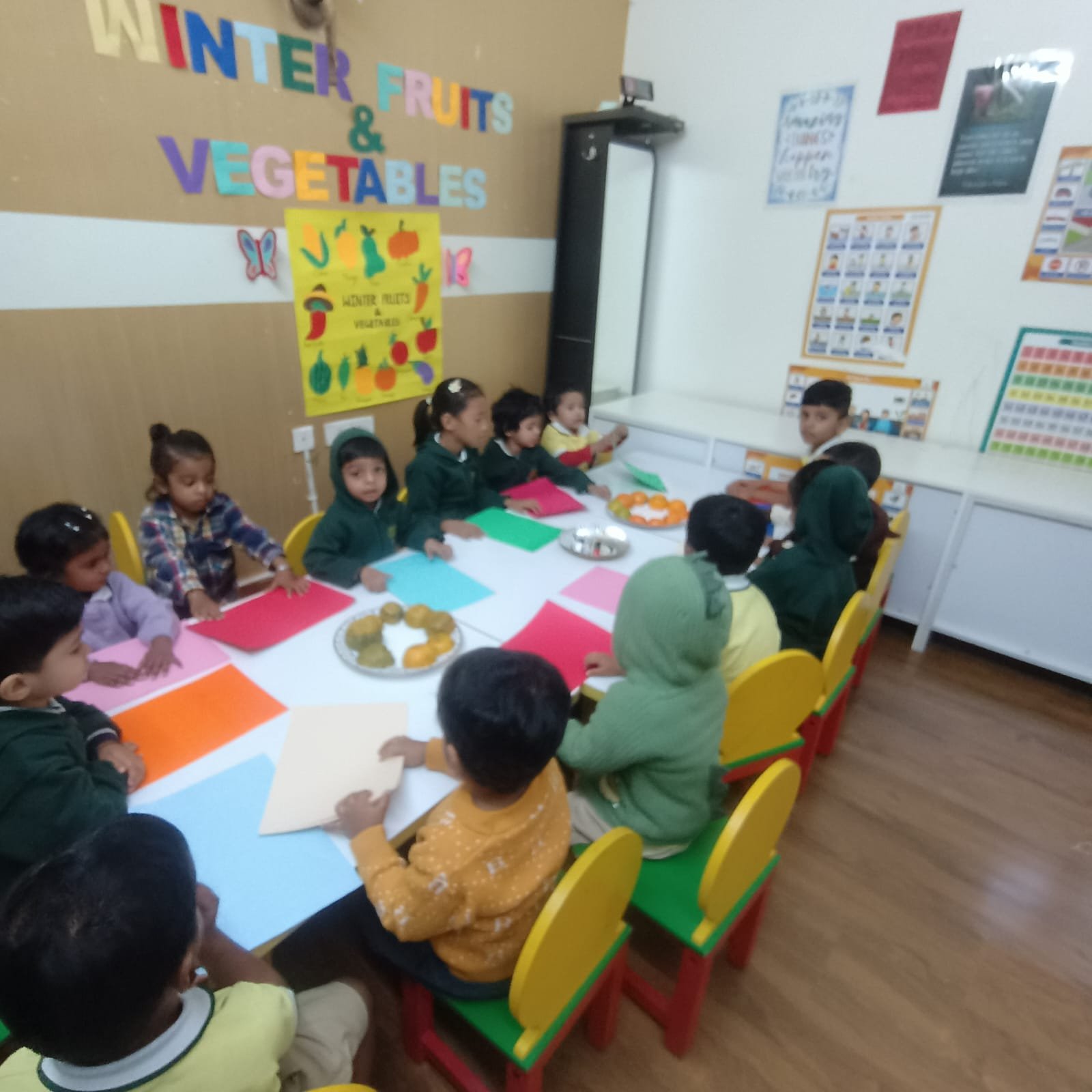
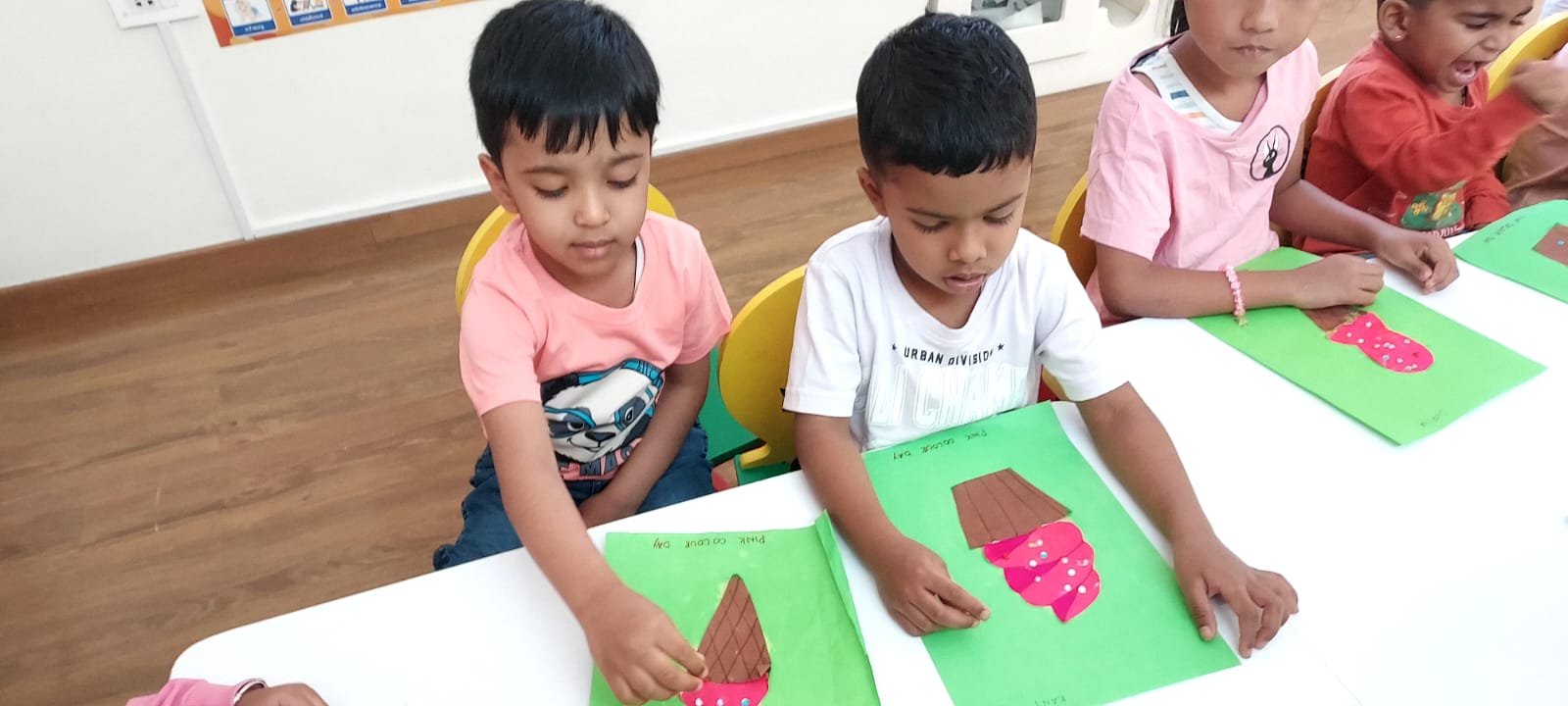
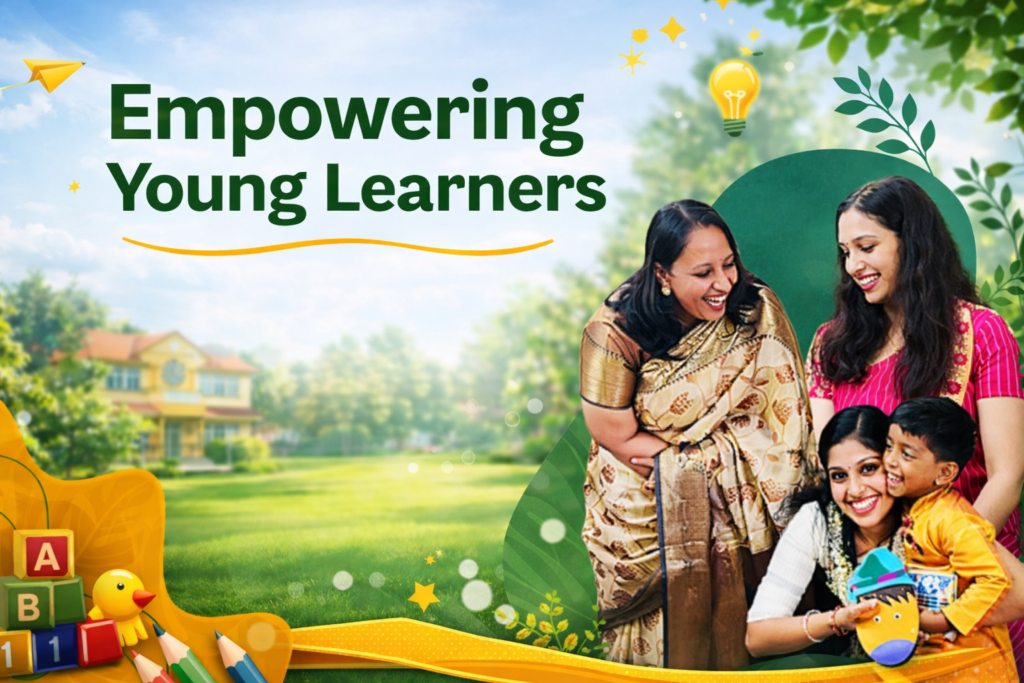
Children are encouraged to ask questions, explore new ideas, and develop a natural love for learning through engaging and interactive activities.
2. Building Confidence and Independence ⭐
By providing a supportive environment, young learners gain confidence in their abilities and learn to make simple decisions independently.
3. Developing Essential Life Skills 📚
Activities are designed to strengthen communication, problem-solving, creativity, and teamwork—skills that are important for lifelong success.
4. Nurturing Creativity and Imagination 🎨
Through art, music, storytelling, and play-based learning, children are given opportunities to express themselves and develop creative thinking.
5. Creating a Safe and Supportive Learning Environment 🛡️
A nurturing space where children feel valued, respected, and comfortable helps them grow academically, socially, and emotionally.
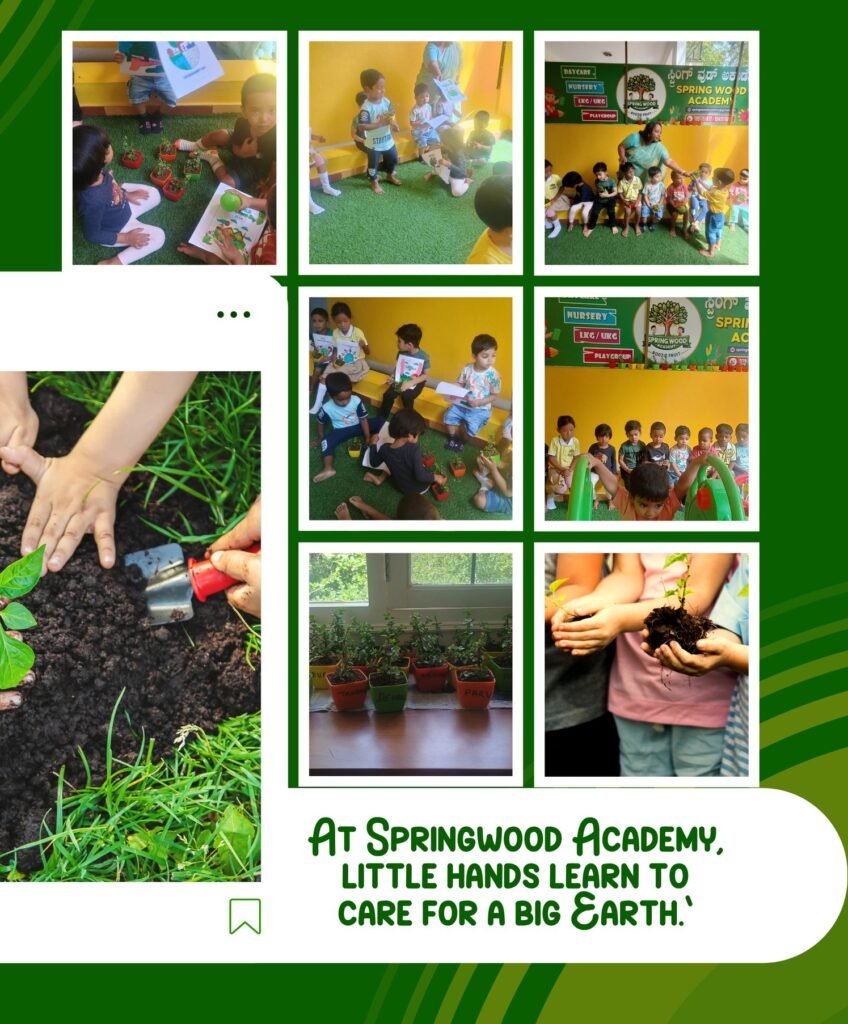

For young children, the hands are the primary tools for brain development.
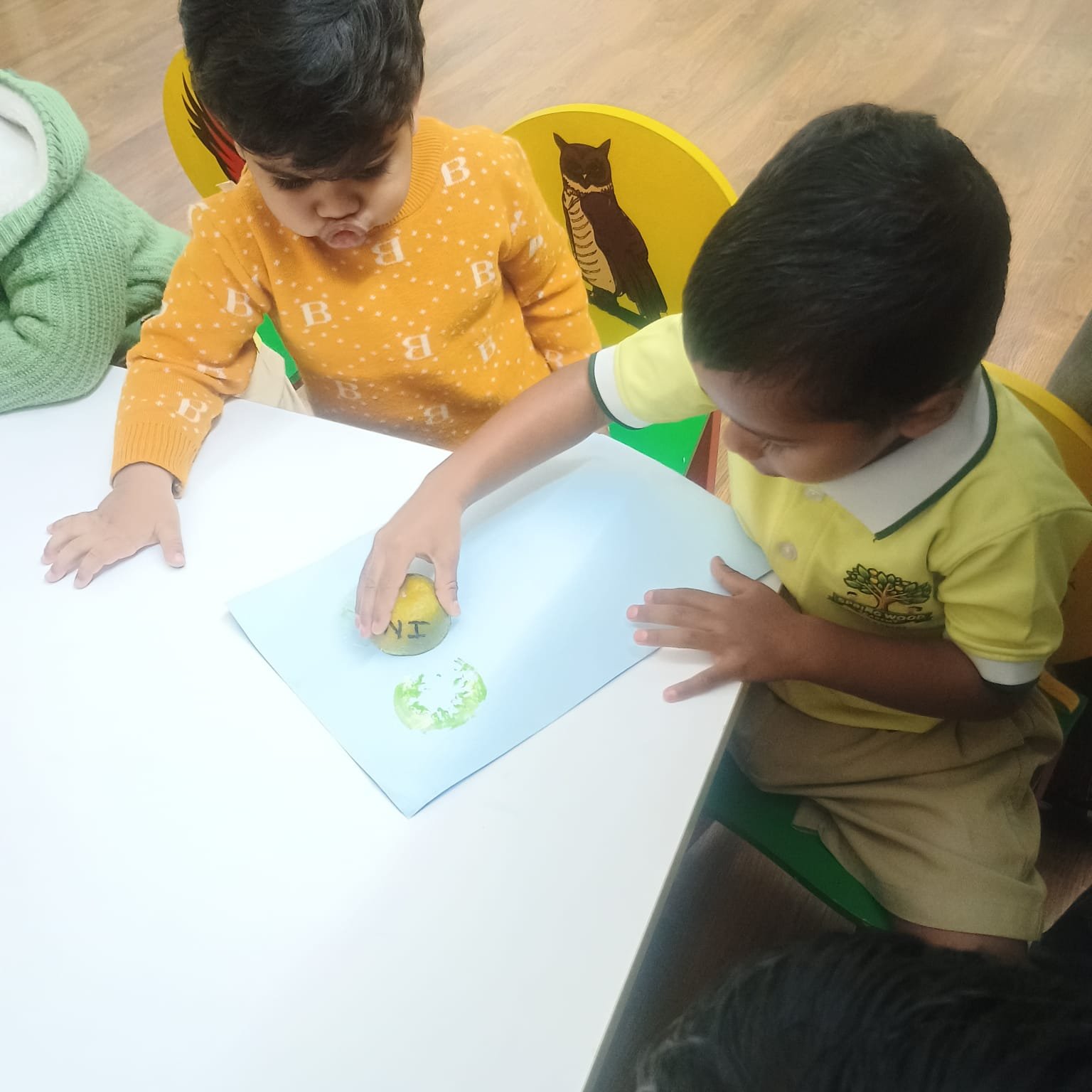
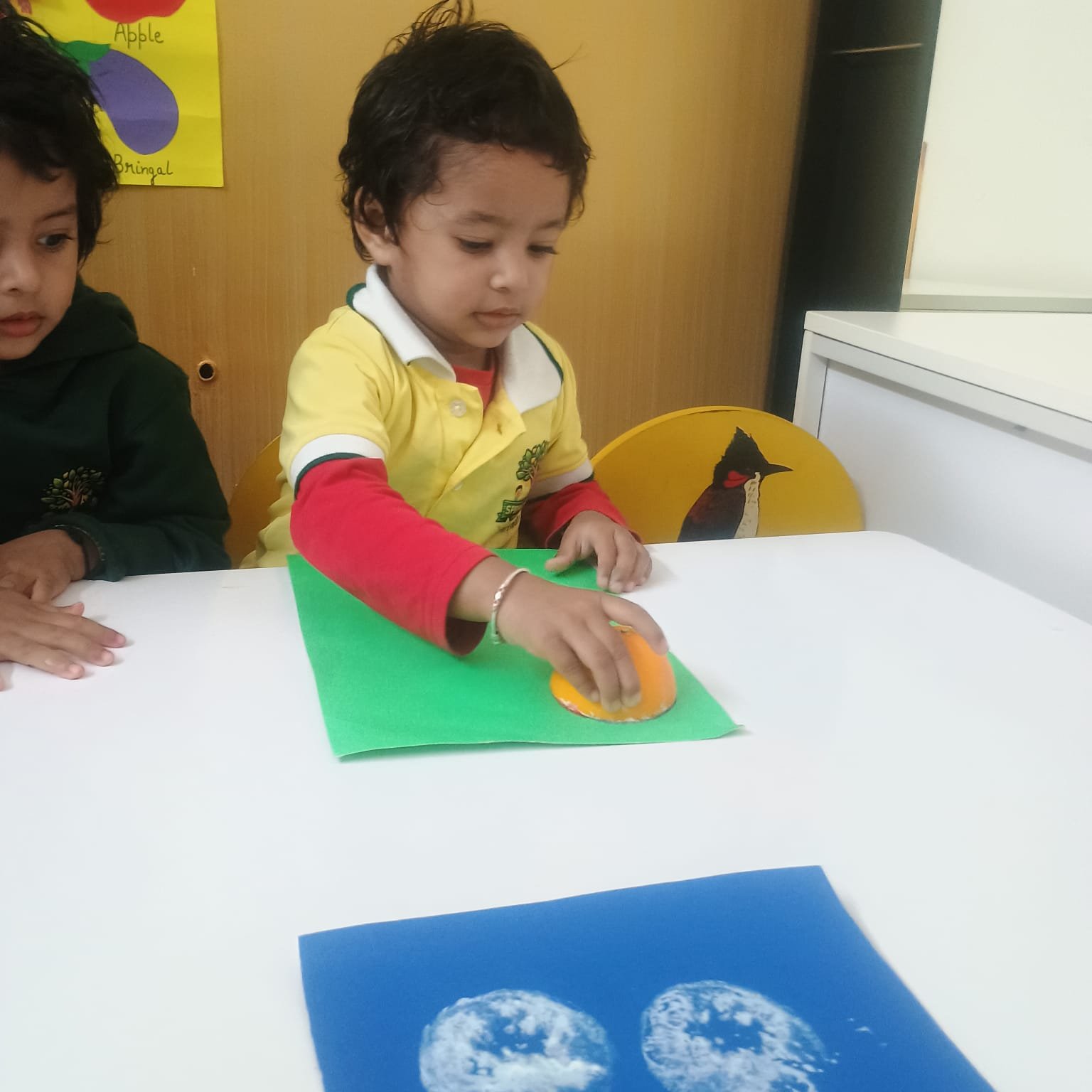
Tactile Learning: Activities like fruit stamping or gardening turn abstract concepts (like “nature” or “patterns”) into concrete experiences.
Process over Product: Focus on the joy of creating rather than the final result. This removes the fear of failure.